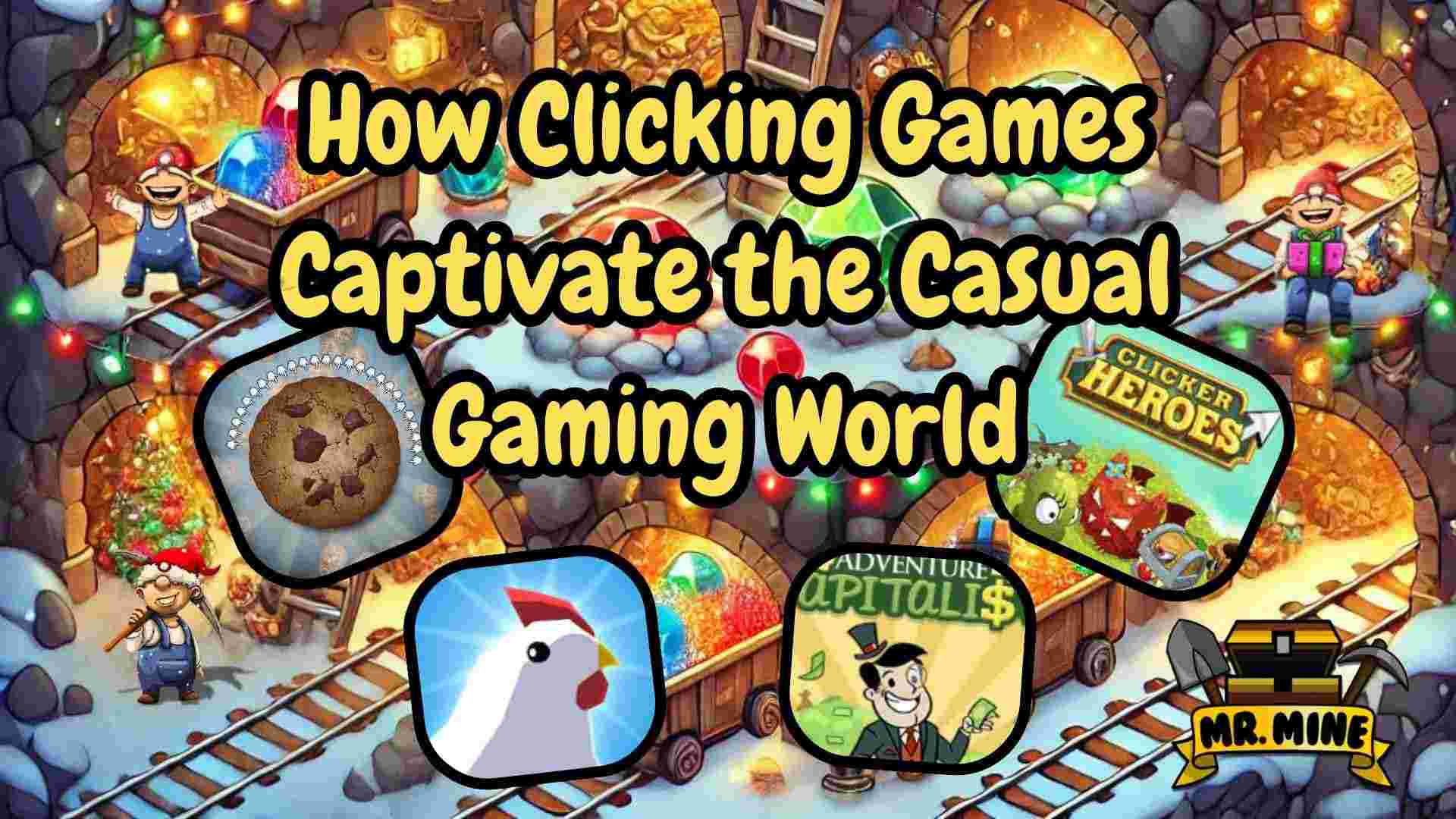
Clicking games continue to captivate the casual gaming world in 2026 because they are simple, rewarding, and easy to enjoy at any pace. Also known as idle clicker games or incremental games, these titles give players quick progress without the pressure of complex controls or long play sessions.
As a result, they have become popular with players who want relaxing gameplay, steady rewards, and a fun sense of achievement.
In this guide, we’ll explore how clicking games work, why they feel so addictive, and what makes them stay relevant in casual gaming.
Understanding Clicking Games
Clicking games are a type of casual game where players click repeatedly to earn rewards or make progress. Often called idle clicker games or incremental games, they focus on simple actions like clicking a button or tapping a screen. Over time, players unlock upgrades, automate actions, and watch their progress grow.
How Do Clicker Games Work?
- Start Small: Players begin with basic clicks to earn points or in-game currency.
- Upgrade and Automate: As progress builds, players can buy upgrades to make clicking easier or automate the process.
- Achieve and Restart: Many games let players “reset” progress for bigger rewards, creating a fresh challenge.
Why Are Clicking Games So Addictive?
Clicking games are addictive because they give players fast feedback and constant progress. You can also explore why clicker and idle games are so popular to see what keeps players coming back to the genre. For example, every click can create a small reward, while each upgrade makes the next goal easier to reach. As a result, players always feel like they are moving forward.
In addition, these games do not require long tutorials or advanced gaming skills. Instead, they focus on simple actions, clear goals, and satisfying rewards. Because of this, clicking games are easy to start but surprisingly hard to stop.
Why Clicking Games Fit Modern Casual Gaming Habits
Clicking games fit modern casual gaming habits because they do not ask players to commit long hours in one sitting. Instead, they allow people to make progress in short sessions, whether they are taking a break, relaxing after work, or playing on a mobile device.
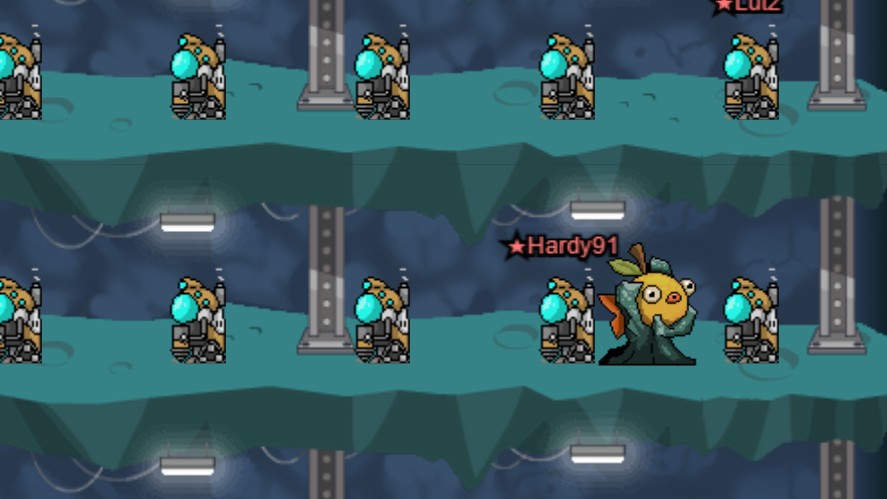
In addition, clicking games work well because they reward consistency without creating too much pressure. Players can check in, collect rewards, buy upgrades, and continue later. As a result, the experience feels flexible and relaxing rather than stressful.
This style of gameplay also appeals to players who enjoy steady progress. For example, even a few minutes of play can lead to visible growth, better upgrades, or stronger automation. Because of this, clicking games feel satisfying for both active players and people who prefer a more relaxed gaming experience.
Overall, the genre works because it respects the player’s time. While some games demand focus and fast reactions, clicking games offer simple goals, clear rewards, and a low-pressure way to enjoy gaming.
A Brief History of Clicking Games
From Humble Beginnings to Global Hits
Clicking games began as simple, browser-based projects with straightforward mechanics. The genre gained massive popularity with the release of Cookie Clicker in 2013, a game that introduced automation and the concept of infinite growth. Over time, the format evolved, and these games transitioned to mobile platforms, attracting a larger and more diverse audience.
Milestones in Clicking Game Evolution
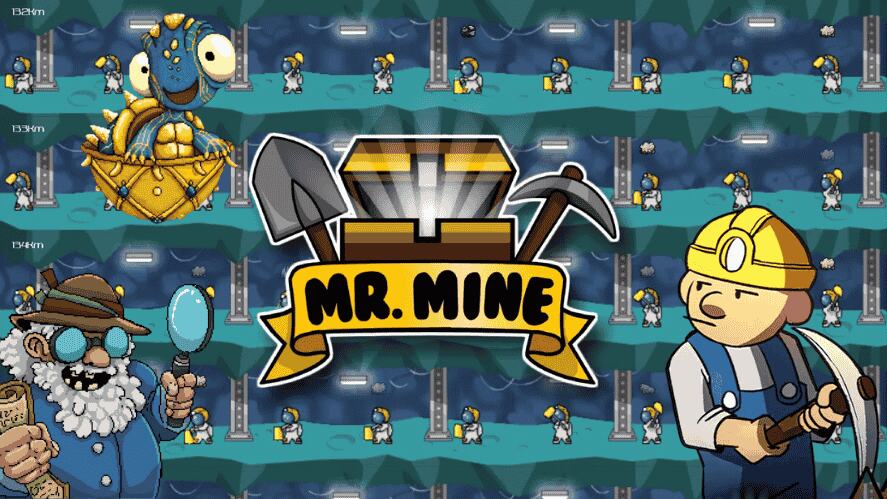
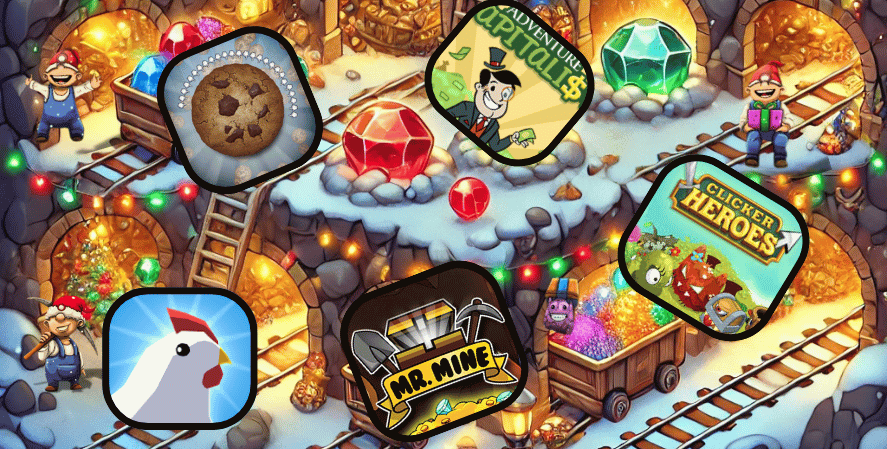
- Mr. Mine: A captivating mining-themed game that takes players on an underground journey. With resource management and deep progression mechanics, it brought a unique twist to the genre.
- Cookie Clicker (2013): Widely recognized as the genre’s trailblazer, this humorous and addictive game established the core mechanics of clicking and automation.
- Clicker Heroes (2014): Introduced role-playing game (RPG) elements, allowing players to battle monsters, collect heroes, and upgrade abilities, bringing a new layer of depth to idle clicker games.
- Egg, Inc. (2016): Focused on building an egg-production empire, this game combined idle mechanics with strategic resource management and colorful visuals.
- Adventure Capitalist (2014): Simplified the concept of managing a business empire, blending economic simulation with easy and engaging click-based gameplay.
Each of these games introduced innovative ideas and features, ensuring that idle clicker games remained fresh and engaging while appealing to a wide range of players.
Key Success Factors in Clicking Games
Simple and Intuitive Gameplay
Clicking games are easy to pick up because the main action is simple. Usually, players only need to click, tap, upgrade, and repeat. However, this simple loop becomes more engaging as new upgrades, automation tools, and milestones appear.
This works well for casual players because they can enjoy progress without stress. In addition, the game still feels rewarding even during short play sessions.
Why It Works:
- Instant Fun: You can start playing in seconds without reading instructions.
- Low Effort, High Reward: Clicking feels effortless, but the results are satisfying.
Reward Systems and Progression
One of the biggest reasons people enjoy clicking games is the constant feeling of progress. Every click gives players a reward, and over time, those rewards lead to better upgrades, stronger automation, and bigger numbers.
As a result, the gameplay feels satisfying even when the actions are simple. Moreover, prestige systems add another layer of motivation by letting players restart with stronger bonuses. This gives the game a fresh challenge while keeping long-term progression exciting.
Key Features:
- Visible Growth: Watching numbers go up feels rewarding.
- Upgrades and Automation: Buying upgrades makes you stronger or faster, keeping gameplay fresh.
- Prestige Mechanics: Resetting the game to earn bigger rewards adds an exciting challenge.
Psychological Engagement in Clicking Games
Clicking games are designed to keep you hooked. They use small, frequent rewards to make your brain happy. Every time you reach a milestone, it feels like an accomplishment.
Psychological Hooks:
- Frequent Rewards: Getting rewards every few seconds keeps you motivated.
- Easy Wins: The feeling of progress comes quickly, keeping frustration low.
- Big Goals: Long-term milestones give players something to look forward to.
Social and Competitive Features
Modern clicking games include leaderboards, multiplayer options, and team events to make things more interactive. Competing with friends or strangers adds a fun challenge.
Popular Social Features:
- Leaderboards: Players can compare their scores and aim for the top.
- Community Events: Limited-time challenges bring players together.
- Multiplayer Options: Some games let you join teams or compete head-to-head.
Frequent Updates and Fresh Content
Regular updates keep clicking games interesting. Developers add new features, events, or themes to give players a reason to return.
Why Updates Matter:
- New Challenges: Updates prevent games from feeling repetitive.
- Seasonal Events: Limited-time events create excitement.
- Player Retention: Fresh content keeps loyal fans engaged.
What Makes a Clicking Game Worth Playing in 2026?
In 2026, a good clicking game needs more than simple tapping or repeated clicking. While the core gameplay should still be easy to understand, players now expect better progression, smoother automation, and more meaningful rewards.
First, strong progression is important. Players should always feel like their clicks, upgrades, and idle rewards are helping them move toward a bigger goal. Without clear progress, the game can quickly feel repetitive.
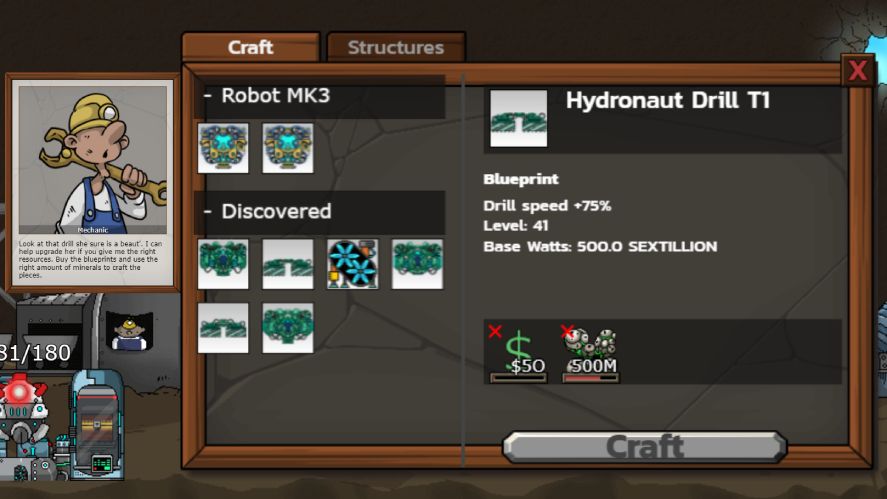
Second, automation should feel rewarding. A clicking game becomes more enjoyable when players can unlock tools that reduce manual clicking and create a stronger sense of growth. As a result, automation turns simple gameplay into a long-term strategy.
Third, fair monetization matters. Many casual players enjoy free-to-play games, but they also want the experience to feel balanced. Therefore, games that avoid aggressive ads or unfair paywalls often feel more enjoyable and trustworthy.
Finally, regular updates help keep the game fresh. New events, upgrades, areas, or challenges give players a reason to return. Because of this, clicking games with active support often stay more engaging over time.
A clicking game worth playing in 2026 should be simple, rewarding, fair, and easy to return to. When these elements work together, the game can keep casual players engaged without making the experience feel complicated.
Case Studies: Popular Clicking Games
Mr. Mine
- What Makes It Stand Out: A mining-themed clicking game with deep progression and unique mechanics.
- Strengths: Combines idle gameplay with resource management and a sense of exploration.
Cookie Clicker
- What Makes It Stand Out: The classic clicking game that started the craze, full of humor and quirky upgrades.
- Strengths: Simple mechanics paired with endless replayability and automation features.
Clicker Heroes
- What Makes It Stand Out: A creative blend of clicking and RPG-style battles with character upgrades.
- Strengths: Offers strategic gameplay and long-term progression.
Egg, Inc.
- What Makes It Stand Out: A charming and visually engaging game focused on building a futuristic egg empire.
- Strengths: Combines idle mechanics with resource optimization and delightful graphics.
Adventure Capitalist
- What Makes It Stand Out: A hilarious take on building a business empire with minimal effort.
- Strengths: Intuitive gameplay and addictive upgrades make it a favorite among casual players.
Player Insights and Experiences
What Players Say About Clicking Games
- Anna, 25: “I love how simple idle clicker games are. They’re perfect when I want to relax and unwind.”
- Jake, 30: “Watching my progress grow in Cookie Clicker never gets old. It’s oddly satisfying!”
Why Players Keep Coming Back
- Stress-Free Gaming: Idle clicker games don’t require heavy thinking or commitment.
- Progress Feels Rewarding: Small steps lead to big achievements.
- Sense of Community: Leaderboards and events add a fun social element.
Conclusion
Overall, clicking games remain popular in 2026 because they combine simplicity, progress, and relaxation in a way that fits casual players perfectly. They are easy to learn, but they also offer enough upgrades, automation, and long-term goals to keep players engaged.
Whether someone is building a cookie empire, mining underground, upgrading heroes, or managing a virtual business, clicking games prove that simple ideas can still create powerful gaming experiences. As casual gaming continues to grow, this genre will likely remain one of the easiest and most satisfying ways to play.